Airport lounges can turn a long connection into productive time and make a delayed departure feel manageable. With American Airlines, that typically means the Admirals Club or, on certain routes, the Flagship Lounge. Deciding whether to buy an Admirals Club membership or rely on day passes comes down to math, travel patterns, and the kind of experience you expect at different hubs. After years of connecting through Dallas/Fort Worth and Miami, sprinting between concourses at Chicago O’Hare, and testing day passes on uncertain days, the break-even point has become pretty clear, but there are meaningful edge cases that can swing the decision.
What the Admirals Club actually gets you
At its core, an Admirals Club visit buys time and headroom. Most clubs offer quiet seating, complimentary Wi‑Fi, worktables with power, and snacks such as hummus, vegetables, soups, and small bites that rotate by time of day. Coffee machines are reliable, and standard bars pour beer and wine at no additional charge. Many locations sell premium bar service if you want top-shelf liquor or a better sparkling wine. Shower suites exist in major hubs and international gateways, but they are not universal. I have seen brisk waitlists during the evening transatlantic push at Miami International Airport, and I have sailed straight in for a shower mid-morning at Dallas/Fort Worth when the club felt half empty.
Access works with a same‑day boarding pass for American or a oneworld partner, and hours can vary more than you might expect, especially at outstations. If you plan your connection around a shower and a proper desk, it pays to check hours in the American Airlines app the day before. I have missed a closing call by ten minutes at Phoenix Sky Harbor and paid for it with a crowded gate area and dead laptop battery.
The guest access policy is straightforward for members and for those who access via eligible cards. An Admirals Club member may bring either immediate family, meaning spouse or domestic partner and children under 18, or up to two guests. That matters more than you think. Two colleagues traveling together can solve an entire afternoon of work if one has membership, without buying an extra pass.
Membership versus day pass: headline differences
The day pass gives you a single visit at a set price that has typically fallen in the high double digits. The exact number has shifted over time and can vary by location, but think in the range you would pay for a decent dinner in a major city. You usually purchase it in the American Airlines app or at the club door, and it covers only the individual. Guesting privileges do not apply to day passes, and capacity controls occasionally stop sales, particularly during peak evening banks at bigger hubs.

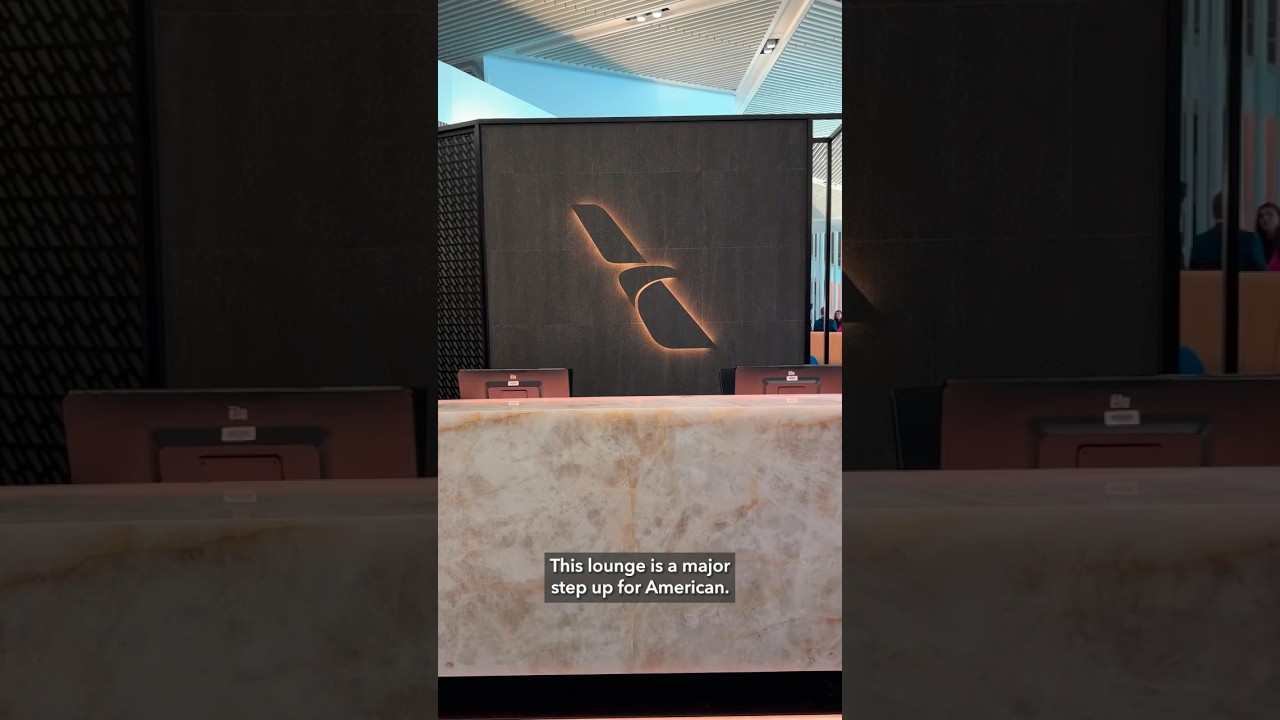
A paid Admirals Club membership, or access via the Citi AAdvantage Executive World Elite Mastercard, gets you entry year‑round when you are flying American or a partner, plus the ability to bring family or two guests. The credit card route continues to be the most efficient for many frequent flyers, because the annual fee is typically lower than a standalone lounge membership while conferring full access privileges for the primary cardholder. Authorized user policies, if available, have changed more than once in recent years, including fees and how access works, so confirm current terms with Citi before counting on an extra card to cover a colleague.
Pure membership pricing has climbed with demand and operating costs. The exact dollar figure depends on whether you are new or renewing and on your AAdvantage status, and it can change midyear. Plan on a four-figure outlay if you are buying a new individual membership directly from American, with small discounts for elite members and renewals. If that number gives you sticker shock, remember that ten day passes at a premium price add up quickly, and those do not cover guests.
Where you fly matters more than you think
Not all clubs are created equal. American has invested the most in its hub locations and busy spokes:
- Dallas/Fort Worth International Airport: Multiple Admirals Clubs across terminals, good for minimizing long terminal walks. Shower suites in select locations, consistent workspaces, and the most reliable seating on weather days. Miami International Airport: Admirals Clubs see heavy international traffic. Shower access helps after overnight flights from South America, but wait times spike late afternoon. Flagship Lounge sits in a different tier and is a different decision category, more on that below. Charlotte, Chicago O’Hare, Los Angeles, New York JFK, Philadelphia, Phoenix: All have Admirals Clubs, with size, finish, and crowd patterns that track with time of day and bank schedules. JFK can swing wildly from empty early afternoon to elbow‑to‑elbow before transatlantic departures.
Because these clubs exist primarily in the United States, your international stops often pivot to partner spaces. In London Heathrow, for example, you may find yourself in the British Airways Galleries Lounge or even the Cathay Pacific Lounge depending on terminal and eligibility. If you hold oneworld Sapphire or Emerald status through AAdvantage and you are on an eligible international itinerary, those partner lounges become part of your real access network, often with better hot food than a domestic Admirals Club. That is where a membership or card that unlocks partner access delivers outsized value, far beyond what a single domestic day pass can do.
Flagship Lounge and Flagship First Dining: adjacent, not interchangeable
A quick but important distinction. Admirals Clubs are the baseline American Airlines Lounge product. Flagship Lounges are a separate, elevated tier with more substantial buffets, better self‑serve beverage setups, and usually more shower suites. Access is limited to travelers in specific premium cabins or with oneworld Sapphire/Emerald on qualifying international itineraries. For American’s own network, that includes certain long‑haul international flights and selected transcontinental flights, including the well-known JFK to LAX and JFK to SFO runs marketed as Flagship Business and Flagship First.
Flagship First Dining is an even narrower slice, offered only at select hubs and only for customers flying in First on qualifying routes. Think of it as a restaurant inside or adjacent to the Flagship Lounge, with seated service, a tighter wine list, and a quiet that is rare inside an airport. Availability and hours have shifted as airports reopened and staffing settled. Treat it like a bonus if your routing lines up, not a guaranteed entitlement on every trip.
None of these Flagship benefits come with an Admirals Club membership on their own, and a day pass will not cross that rope. If your travel is primarily on transcontinental or long‑haul premium cabin tickets, Flagship access by virtue of the ticket may reduce the marginal value of an Admirals Club membership on those specific days, but you will still want Admirals Club access for the domestic connections that bookend those itineraries.
The math: when membership pays for itself
Here is how I run the numbers for myself and for clients who ask. Start with your annual pattern. If you fly once a quarter and have two connections each way, you are looking at four to eight potential lounge visits per year. If your typical day pass price is near the top of the quoted range, that already covers a considerable fraction of a full membership or the annual fee on the Citi AAdvantage Executive World Elite Mastercard. Factor in guests. Two colleagues traveling with you for a client pitch can easily triple the cost of day passes on a single morning, and that scenario consumes a meaningful slice of an annual fee in one shot.
Next, consider your peak moments. I transit Charlotte and Dallas during summer thunderstorms, where delays often stretch to two or three hours. If I expect a bad weather day in peak season, the lounge acts like cheap insurance. Power outlets, stable Wi‑Fi, and a chair you can hold for a while beat any food voucher a gate agent hands out. If your work hinges on taking a secure call or hammering through a deck with reliable internet, your break‑even point drops quickly.
I also look at the airports themselves. If you live near a hub with multiple clubs in different terminals, such as DFW or MIA, membership yields more consistent outcomes. You are less likely to run into a capacity stop, and you have backup options if one location is under renovation. With day passes, especially bought on arrival, you risk hitting a club that has paused sales right when you need it.
A final lever is whether you already carry a travel credit card for other reasons. If you value priority boarding, free checked bags, or AAdvantage mileage earn on spend, the Citi AAdvantage Executive World Elite Mastercard can replace the separate line item of a lounge membership, often at a lower net cost once you count credits and the lounge access itself. Just do not forget to check the current rules on authorized users and guesting. Those terms can change with little warning.
Status tiers and partner lounge ripple effects
AAdvantage status matters most for international trips. Executive Platinum, Platinum Pro, and Platinum members get access to Flagship Lounges when flying on an eligible international itinerary, not when they are on purely domestic routings. Oneworld Emerald and oneworld Sapphire confer lounge access across the alliance on eligible flights as well, which is why a oneworld card on your digital wallet can unlock the British Airways Galleries Lounge at London Heathrow or a Qantas Club in Australia when your boarding pass carries the right code. I have had better breakfasts at Cathay Pacific Lounges than in many U.S. Clubs, and a proper shower there before a long day in Hong Kong was worth more than any snack plate at a gate.
If your calendar includes overseas team weeks or client runs that string together London, Madrid, and back through Miami, your status and itinerary can stack enough partner lounge access that you lean less on Admirals Clubs. On the other hand, if most of your travel is Charlotte to Chicago with the occasional Phoenix detour, status will not get you into domestic Admirals Clubs unless you hold membership or an eligible credit card.
How the day pass fits in a real trip
I use day passes like a pressure valve. One example from last spring: a same‑day out‑and‑back to Phoenix from Los Angeles, no checked bag, and a tight budget for that client. The morning departure from LAX Terminal 4 was on time, and I worked from the gate without issue. The return encountered a rolling delay that stretched toward midnight. I bought a day pass at PHX on the second hour, grabbed a light dinner from the complimentary spread, and made a couple of calls from a quiet corner. That single pass converted a frazzled night into a productive one.
A different day in Miami looked nothing like that. Two of us were connecting from Buenos Aires, needing showers before a meeting in downtown Brickell. Without membership, two day passes would have been the only option, and with a late‑morning arrival during the inbound surge from South America, there was a real chance of a sold‑out club. Membership turned that into a sure thing, and we both walked out with clean suits and working laptops.
The day pass works when the stakes are low and your tolerance for uncertainty is high. The membership pays for itself during peak stress, guest needs, and multi‑stop weeks.
Amenities and the small differences that add up
Over the last few years, the baseline Admirals Club experience has trended upward. Refreshed interiors at hubs like DFW, MIA, and CLT feel brighter, with better acoustics and more generous power access. In several clubs I have noticed small wellness touches, including short stretch videos or guidance that appeared as part of a limited partnership with Chelsea Piers Fitness. These feel more like nice‑to‑have extras than decision drivers, but they point to a broader push to make time in the club feel intentional rather than generic.
Shower suites are still the most consequential amenity. They turn a red‑eye into a functional morning and a tropical layover into bearable humidity. Not every Admirals Club has them, and the most predictable access sits in Flagship Lounges at major hubs. If showers make or break your day, anchor your plan around airports that post them clearly in the app, such as MIA, DFW, and JFK, and request a spot the moment you arrive.
Food quality varies. You will not mistake an Admirals Club buffet for a hotel brunch, but the rotation now reliably includes a couple of hot items and better cold choices than the cracker-and-cheese plate from a decade ago. Premium bar service for better cocktails can be worth it if you are celebrating a deal, and in a few clubs the bartenders remember regulars, which never hurts at the end of a long week.
Where Priority Pass fits, and where it does not
Priority Pass is a separate ecosystem. It will not get you into Admirals Clubs. It can, however, open independent lounges in airports where American does not have a big footprint, or where you are connecting on a partner ticket outside the Admirals Club network. In practice, I treat Priority Pass as a backup in places like smaller terminals at Los Angeles or overseas airports where a third‑party club sits down the hall from the gates. The access quality varies, and food can be sparse in the late evening when you need it most. If your travel lives inside the American and oneworld network, an Admirals Club solution covers more ground more predictably.
What about United Club and other competitors
If you https://hectorkndn184.raidersfanteamshop.com/phoenix-sky-harbor-admirals-club-layout-crowds-and-best-times-to-visit are cross‑shopping, United Club membership costs have moved in a similar direction, and the product is broadly comparable: quiet seating, business amenities, and light food. The biggest difference is network. If you mostly fly American out of Phoenix, you will extract more value from Admirals Clubs than from a United Club membership you rarely use. The reverse is true at Newark for United loyalists. Some travelers carry a flexible combo, a primary airline lounge membership for their home carrier plus a general Priority Pass for oddball airports, but that starts to look like overkill unless you are in the air weekly.
Family and colleague scenarios, and the fine print
The guest policy for Admirals Club membership, whether held directly or through the Citi AAdvantage Executive World Elite Mastercard, is a real asset. The choice between immediate family or up to two guests covers the two common cases: traveling with young kids who require a place to decompress, and traveling with a teammate who needs Wi‑Fi and quiet enough to polish a pitch. Clubs will check same‑day boarding passes, so do not expect to guest someone who is not traveling.
Day passes generally do not include guests, and some locations limit sales during peak hours. If you are thinking of buying a pass at the door for a partner who had a brutal red‑eye, call the club or check the app before you promise what you cannot deliver.
On eligibility, remember that both membership and day passes require a same‑day boarding pass on American or a partner airline. I have seen travelers turned away when they tried to use a club during a long break between airport errands without a flight that day.
A grounded way to choose
If you travel primarily through American’s big hubs, see weather delays often, or regularly host colleagues or clients on the road, Admirals Club membership or the Citi AAdvantage Executive World Elite Mastercard usually wins on value and predictability. If your flying is light, your connections are short, and you do not need to guest anyone, day passes can stretch a long way and keep your fixed costs low.
Here is a brisk way to map your pattern to an answer:
- Membership or eligible credit card suits weekly or twice‑monthly flyers, those who bring family or teammates, and anyone who lives at hubs like DFW, CLT, MIA, JFK, LAX, ORD, PHL, or PHX. Day passes make sense for quarterly travelers, solo fliers on predictable days, and people who only need lounge access during irregular operations. If your long‑haul calendar already confers Flagship Lounge access through premium cabin tickets or oneworld Emerald/Sapphire status on eligible international itineraries, membership still matters for domestic links, but the day‑to‑day value is lower on those specific trips. If you will buy more than a handful of day passes in a year, compare the total to the annual fee on the Citi AAdvantage Executive World Elite Mastercard. The math often favors the card, with better guest flexibility. If most of your non‑American trips are on airlines covered by Priority Pass and you rarely fly through American hubs, you may be better served by a different lounge strategy.
A few practical moves before you decide
- Audit your last 12 months of trips, count actual connections and delays, and price those as hypothetical day passes. Check which clubs have shower suites at your regular hubs and when you actually arrive. A shower you cannot access because of hours or queues is worth zero. If you often use London Heathrow or other oneworld hubs, map which terminals you use and what your oneworld status unlocks. Partner lounge access can change your calculus. Look at your AAdvantage status path. If you expect to climb to AAdvantage Executive Platinum with heavy international flying, Flagship access on those itineraries reduces your reliance on Admirals Clubs on those days. Confirm current credit card terms, especially authorized user rules and guest policies, since those drive real‑world value more than marketing headlines.
Final thought from the concourse
The best lounge strategy feels invisible when it works. You walk off a flight at Chicago O’Hare, glide into a club with open seating, send the proposal, grab a quick bowl of soup, and head to your gate without hunting for an outlet. The right answer for you lives in the details: how often you fly, with whom, and through which airports. Membership buys certainty and flexibility across a year’s worth of those details. A day pass solves the problem in front of you. On the road, both have a place. The trick is knowing which one you will actually use next Tuesday at 5:15 p.m. When thunderstorms sit over DFW and your calendar refuses to move.